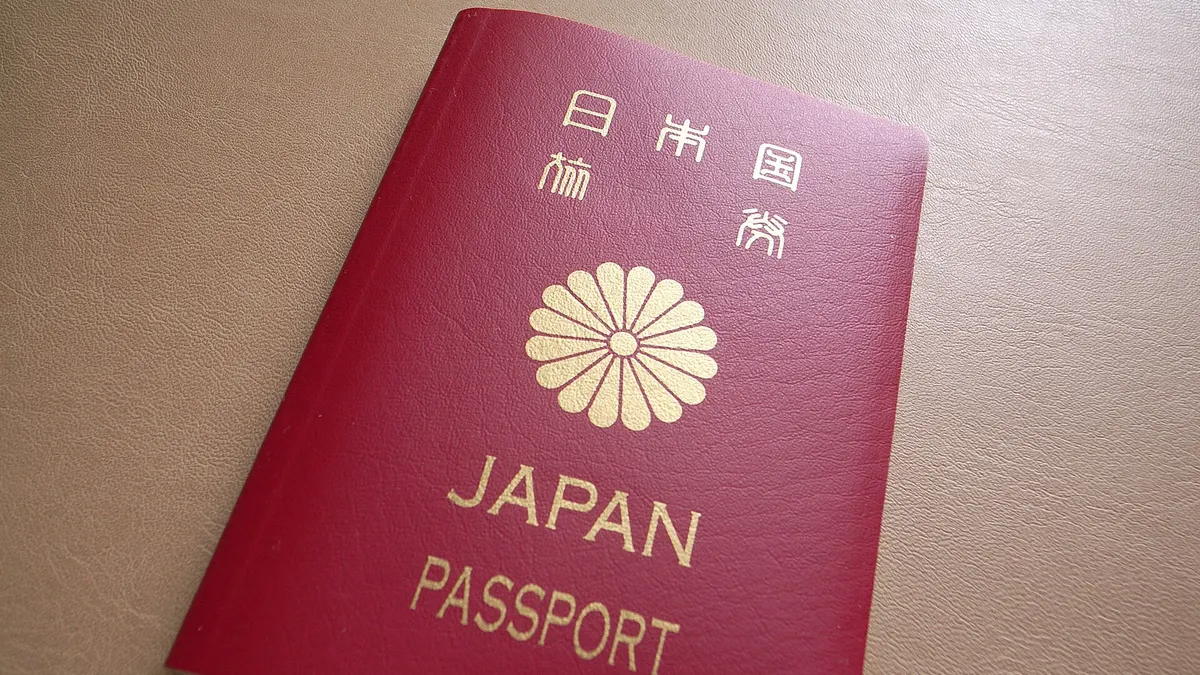
Visas and renewals
Spouse visa in Japan: eligibility, documents, work and divorce rules
Japan's spouse visa (日本人の配偶者等) lets you live and work without limits. Documents, periods of stay, renewal fees and the 14-day divorce rule.
Visa & residencyPermanent residency
Japan permanent residency requirements: usually 10 years of stay, clean tax and pension records, and a ¥200,000 fee from October 2026. Plus 2027 changes.
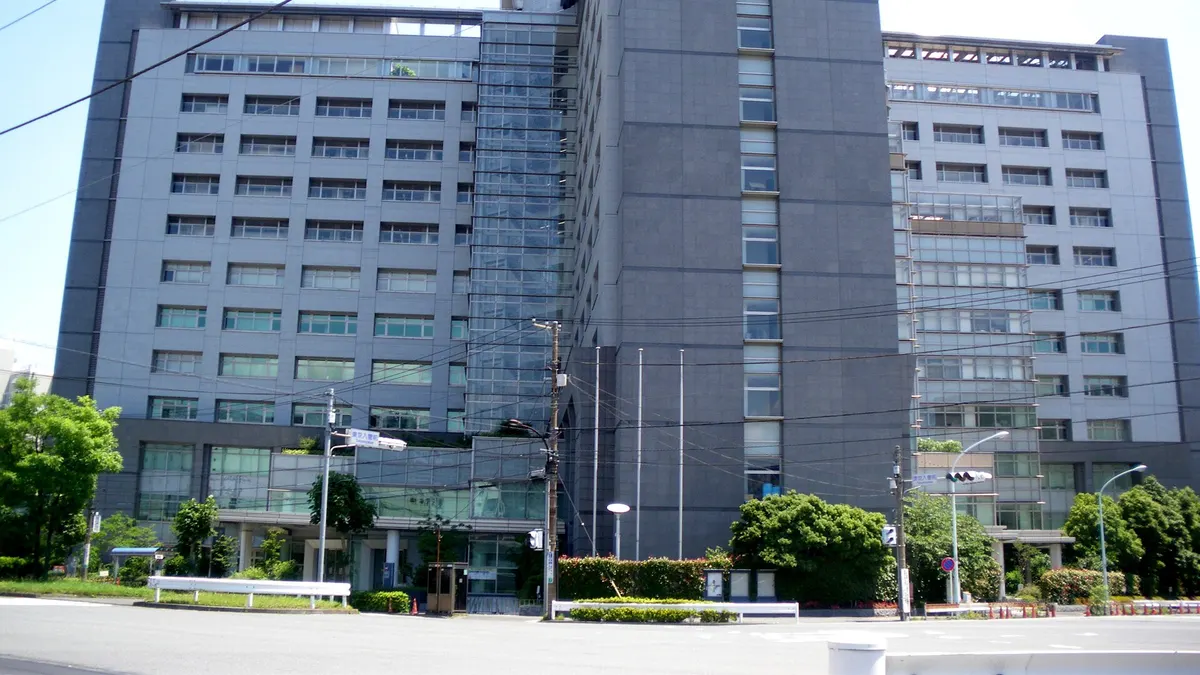

As of October 2026, permanent residency (永住) in Japan usually needs 10 years of continuous stay, including 5 years on a work or residence-based status, plus good conduct, enough income, and taxes, pension and health insurance paid on time. Spouses of Japanese nationals and highly skilled professionals with 70 or 80 points have shorter routes. The fee rose to ¥200,000 on October 1, 2026. A stricter guideline applies from April 1, 2027, including a B1 Japanese factor and a 5-year marriage rule for spouses.
The main requirements for permanent residency (永住, eijū) in Japan are 10 years of continuous stay, with at least 5 of those years on a work or residence-based status, plus good conduct, enough income to live on, and taxes, pension and health insurance paid on time. Spouses of Japanese nationals and highly skilled professionals can apply sooner. The fee is ¥200,000 for applications received from October 1, 2026. This is the position as of October 2026, from the Immigration Services Agency (出入国在留管理庁, ISA).
The law (Immigration Act, Article 22) sets three tests. ISA’s guideline explains how it applies them.
| Test | What ISA looks at |
|---|---|
| Good conduct (素行善良) | You follow the law and live without social criticism. No fines or prison sentences. |
| Independent livelihood (独立生計) | Your assets or skills let you live without becoming a public burden, now and in future. |
| In Japan’s interest (国益) | 10 years’ stay, public duties met, longest available period of stay, no public-health risk. |
“Public duties” means taxes, public pension and public health insurance premiums, and the notifications the Immigration Act requires, such as reporting a new address. Late payment counts against you even if you paid everything before you applied.
You must also hold the longest period of stay available for your current status. Until March 31, 2027, ISA treats a 3-year period of stay as meeting this.
Spouses and children of Japanese nationals, permanent residents and special permanent residents don’t have to pass the good-conduct and livelihood tests in law. They still need the other conditions.
You need 10 years of continuous stay. Within that, at least 5 years in a row must be on a work status or a residence-based status (such as spouse visa or long-term resident).
Time on Technical Intern Training (技能実習) or Specified Skilled Worker (i) (特定技能1号) does not count as work status for this purpose.
ISA’s guideline lists shorter routes. These apply to applications made up to March 31, 2027.
| Your situation | Time needed |
|---|---|
| Spouse of a Japanese national, PR or special PR | 3 years of real married life and 1 year living in Japan |
| Biological child of the above | 1 year living in Japan |
| Long-term resident (定住者) | 5 years on that status |
| Highly skilled, 70+ points | 3 years at 70+ points |
| Highly skilled, 80+ points | 1 year at 80+ points |
| Special highly skilled professional (J-Skip) | 1 year |
| Recognized refugee or complementary protection | 5 years after recognition |
| Recognized contribution to Japan | 5 years in Japan |
For the highly skilled routes, you can also qualify if your points, counted at the date 3 years (or 1 year) before you apply, were already at 70 (or 80) and stayed there. This route is open even if you were not on the Highly Skilled Professional visa.
ISA published a revised guideline on October 1, 2026. It applies in full to applications made on or after April 1, 2027. Its income rules also apply now to applications made from April 1, 2026.
The main changes:
PR fee
¥200,000
For applications received on or after October 1, 2026. Paid in revenue stamps (収入印紙) only when approved. Applications received by September 30, 2026 pay ¥10,000.
A reduced fee of ¥20,000 exists only for spouses and children of Japanese nationals, PR or special PR who are in serious financial hardship or need humanitarian consideration. You need proof, and you must apply at the counter: the online system can’t apply the reduction.
Lists differ by status. For work visas and dependents, ISA’s list includes:
Spouses of Japanese nationals or PR submit 3 years of resident tax records instead of 5. ISA also publishes a self-check sheet: one “No” answer makes refusal likely.
For pension records, ask your pension office for the 被保険者記録照会回答票, or print from ねんきんネット. ねんきんネット is in Japanese only.
PR takes effect when you receive the new residence card. ISA lists no administrative appeal against a refusal.
If your visa runs out while you wait, see our visa renewal guide.
Yes. A 2024 amendment to the Immigration Act adds new grounds from April 1, 2027: not following Immigration Act duties, intentionally not paying taxes or social insurance, and certain serious crimes with a prison sentence.
ISA’s Q&A says “intentionally” means you know you owe and can pay, but don’t. Missing payments because of illness or job loss is not meant to trigger it. Forgetting to carry your card is not meant to either. In most cases ISA expects to switch the person to long-term resident (定住者) rather than remove them.
PR holders also still renew the residence card, report address changes, and leave Japan on a re-entry permit. The special re-entry permit (みなし再入国) lasts 1 year from departure.
If you are deciding between PR and citizenship, compare them in permanent residency vs naturalization (帰化).
More guides: spouse visa in Japan, Japanese naturalization process, visa renewal in Japan, getting a mortgage without permanent residency.
¥200,000 for applications received on or after October 1, 2026, paid in revenue stamps (収入印紙) when you are approved. Applications received by September 30, 2026 pay the old fee of ¥10,000, even if approved later.
For applications made by March 31, 2027, a spouse of a Japanese national or permanent resident can qualify after 3 years of real married life and 1 year living in Japan. For applications from April 1, 2027, this becomes 5 years of marriage and 3 years in Japan.
70 points under the highly skilled professional point system, held for 3 years, or 80 points held for 1 year.
Yes. From April 1, 2027, intentionally not paying taxes or social insurance, breaking Immigration Act duties, or certain serious crimes become grounds to cancel PR. ISA says it will usually switch the person to another status, often long-term resident (定住者), rather than remove them.
ISA's standard processing period is 4 to 6 months. Your current visa must stay valid while you wait, so renew it if it expires before the decision.
Spotted something out of date or wrong? Email [email protected] and we will check it against the source. See our corrections policy.
Photo: Kentin / CC BY-SA 3.0
Visas and renewals
Japan's spouse visa (日本人の配偶者等) lets you live and work without limits. Documents, periods of stay, renewal fees and the 14-day divorce rule.
Permanent residency
Permanent residency vs naturalization in Japan: PR keeps your nationality but can be canceled; citizenship adds the vote but means giving up your nationality.
Naturalization
The Japanese naturalization process runs through your Legal Affairs Bureau. Since April 2026 it expects 10 years in Japan in principle. Steps, documents, time.