Renting
Foreigner-friendly real estate agents in Japan: how to find one
How to find foreigner-friendly real estate in Japan: JPM's list of about 441 multilingual agencies, UR housing with no guarantor, portals and share houses.
Fire insurance for an apartment in Japan covers your belongings and damage you cause the landlord. Cover, cost and how to pick your own policy.
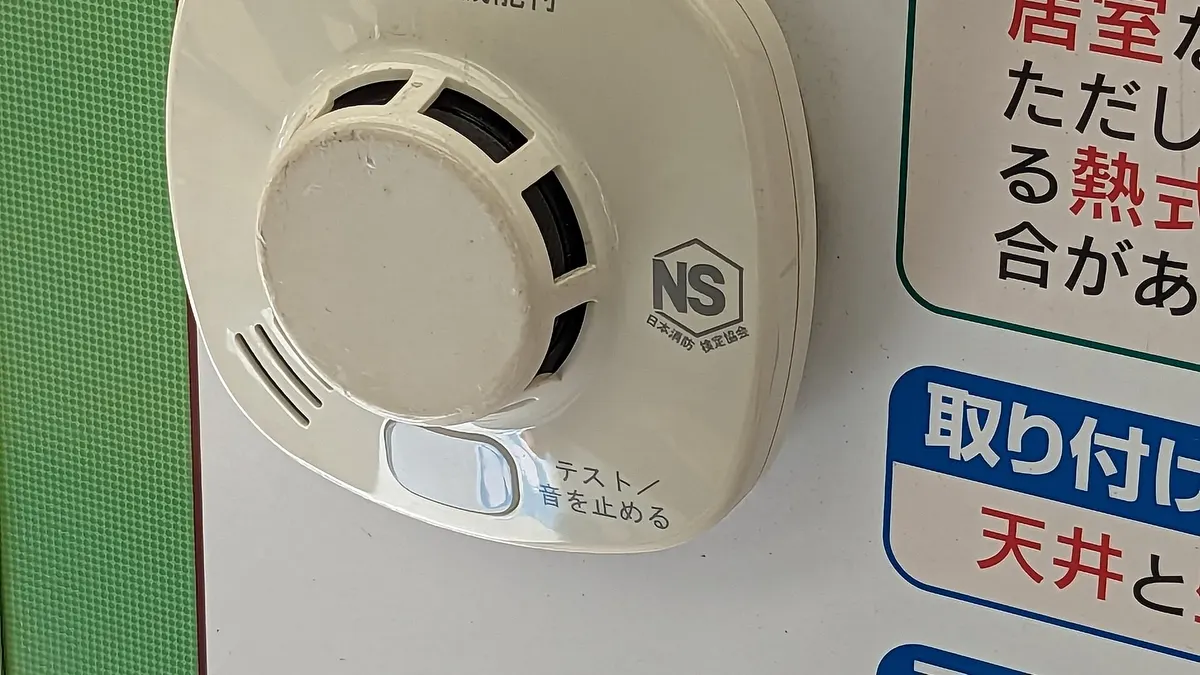

Renters' fire insurance (火災保険) in Japan is a contents policy with liability cover, usually bought at lease signing. It typically bundles your belongings (家財), liability to the landlord for damage to the unit (借家人賠償責任) and personal liability. As of October 2026, one online policy costs ¥380 to ¥630 a month, and the JEES student scheme ¥4,000 a year. You can often buy your own instead of the agent's, if it meets the lease's requirements. Earthquake damage needs a separate add-on.
Fire insurance for an apartment in Japan (火災保険, kasai hoken) is really a renters’ policy. It covers your belongings, damage to the apartment you must pay the landlord for, and usually damage you cause other people. It is commonly bought when you sign the lease. As of October 2026, one online policy costs ¥380 to ¥630 a month, and you can often buy your own instead of the agent’s, as long as it meets the lease’s requirements. Earthquakes are not covered without an add-on.
MLIT’s Apartment Search Guidebook says it is common to take out damage insurance when you sign, to cover fire or water damage caused by the tenant. In practice a renters’ policy has three parts:
| Part | Japanese | What it pays for |
|---|---|---|
| Contents | 家財 (kazai) | Your own belongings: furniture, electronics, clothes |
| Tenant liability | 借家人賠償責任 | Damage to the rented unit that you owe the landlord, for example after a fire you caused |
| Personal liability | 個人賠償責任 | Damage or injury you cause to others, for example water leaking into the flat below |
Some policies also pay for small repairs to the unit and for expenses such as replacing locks. Chubb’s renters’ policy, for example, lists key replacement costs (鍵取替え費用) among its expense benefits.
Under Japan’s Act on Liability for Fire (失火責任法, 1899), the normal rule for compensating damage doesn’t apply to an accidental fire unless the person who caused it was grossly negligent. So if a fire starts next door through ordinary carelessness, your neighbour usually doesn’t have to pay for your belongings. Your own contents cover does.
The same law also limits what you owe neighbours for an accidental fire. Damage to the unit you rent is a separate matter between you and the landlord. That is what tenant liability cover is for.
Prices depend on how much contents cover you choose and the liability limits. Three published examples:
| Policy | Price | Contents | Tenant liability | Personal liability |
|---|---|---|---|---|
| Mysurance Smart Chintai, Basic plan | ¥570-630 a month | ¥1-7 million | ¥10 million | ¥100 million |
| Mysurance Smart Chintai, Slim plan | ¥380-440 a month | ¥1-7 million | ¥10 million | Not included |
| JEES student scheme (CRIFS) | ¥4,000 a year | Not covered | Up to ¥50 million (tenant and third-party liability combined) | Included in the ¥50 million |
Mysurance’s own guidance on contents cover is ¥1-2 million for a single person, ¥3-4 million for two, ¥5-6 million for three and ¥7 million for four. Kakaku.com’s insurance site (価格.com保険) shows sample one-year plans at ¥4,000 and ¥6,870, both with ¥1 million contents and ¥20 million tenant liability.
Prices change. Get a quote for your own apartment and household.
Often, yes. Insurers sell renters’ policies directly to tenants:
But the lease comes first. Some leases or management companies set a minimum tenant liability amount, a policy period, or a proof deadline. Before you decline the agent’s policy:
This is the weak point for foreign residents. The general policies we checked, Mysurance and Chubb, have Japanese-only product pages, and Mysurance’s sign-up needs a credit card. We found no major insurer with a fully English sign-up for a general renters’ policy.
If you’re a student, the JEES Comprehensive Renters’ Insurance for Foreign Students (留学生住宅総合補償) has an English page. It is for students at partner schools, in principle with student (留学) residence status, and you apply through your school. It is underwritten by Tokio Marine & Nichido. It costs ¥4,000 a year or ¥8,000 for two years, and covers liability up to ¥50 million per accident. It also includes up to ¥300,000 of guarantor compensation, but it doesn’t cover your own belongings.
Otherwise, ask the agent to explain the policy they offer, line by line. Or ask a Japanese-speaking friend to help you compare an online policy against the lease’s requirements.
In practice, usually yes. MLIT's guidebook says it is common to take out damage insurance against fire or water damage you cause when you sign a lease, and the premium is part of the money due at signing. Check your lease for the required cover.
As of October 2026, Mysurance's online Smart Chintai policy costs ¥380 to ¥630 a month depending on plan and contents cover. Students at partner schools can join the JEES scheme for ¥4,000 a year, which covers liability but not belongings.
Often yes. Insurers sell renters' policies directly, and the usual step is to send proof of cover to the management company. Ask first whether the lease requires a minimum tenant liability amount or a specific policy.
No. The Ministry of Finance says fire insurance alone doesn't pay for fire caused by an earthquake. You need earthquake insurance, which you can only buy attached to a fire policy.
Options are limited. The JEES student scheme has an English page, but the general policies we checked have Japanese-only product pages and sign-up.
Spotted something out of date or wrong? Email [email protected] and we will check it against the source. See our corrections policy.
Renting
How to find foreigner-friendly real estate in Japan: JPM's list of about 441 multilingual agencies, UR housing with no guarantor, portals and share houses.
Renting
A guarantor company in Japan stands in for a personal guarantor on your lease. Fees, emergency contact rules and languages at GTN, Casa, Nihon Safety and JID.
Renting
Renting an apartment in Japan as a foreigner: the steps from search to keys, the documents for screening, and up-front costs of about 4 to 7 months' rent.