Licenses
How to convert a foreign driver's license in Japan (外免切替) after the 2025 changes
To convert a foreign driver's license in Japan you need 3+ months in the issuing country, a 住民票 and, since Oct 2025, a 50-question test with a 90% pass mark.
Buying a car in Japan as a foreigner: you need a 住民票, a parking space within 2 km and, for a regular car, a seal certificate. Kei cars need less paperwork.
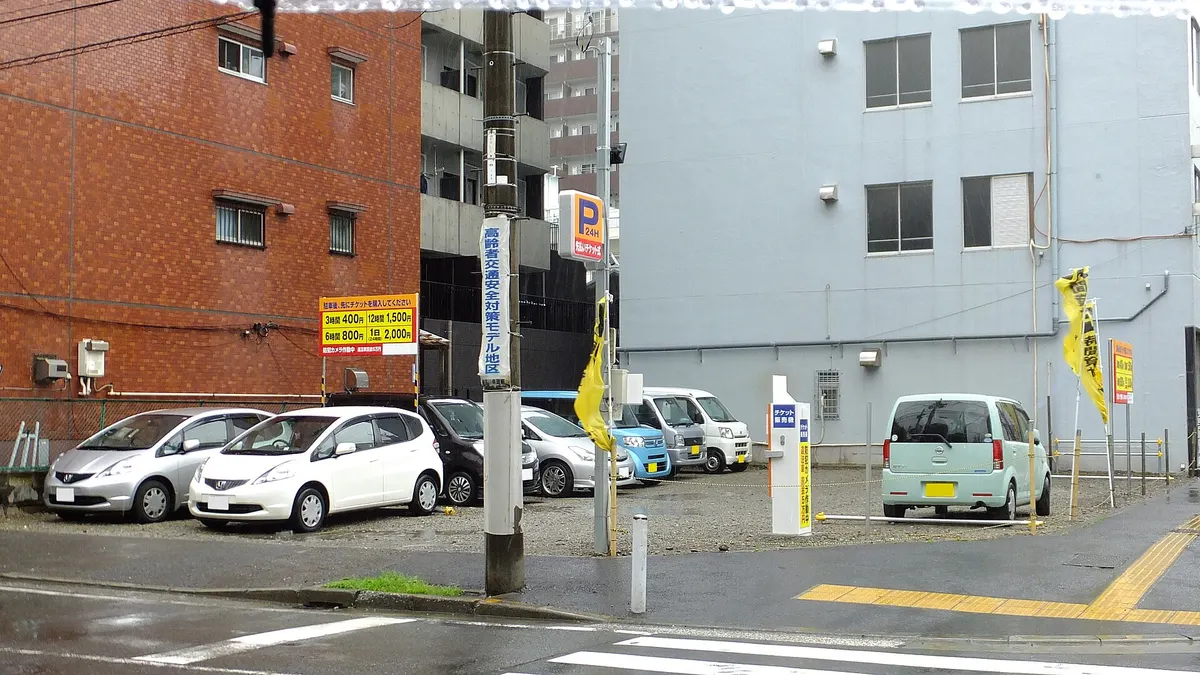

Foreign residents can buy a car in Japan. You need a parking space within 2 km of home, proved by a police parking certificate (車庫証明, ¥2,400 in Tokyo as of October 2026). A regular car is registered with a seal certificate (印鑑証明), which foreign residents with a 住民票 can get at the city office. A kei car needs only a 住民票 and, in some areas, a parking notification. Compulsory insurance (自賠責) covers injuries only, so most drivers add voluntary insurance (任意保険). Some bank car loans accept only permanent residents.
Yes, you can. Buying a car in Japan as a foreigner follows the same registration rules as for anyone else, once you are a resident with a 住民票 (residence record). You need a parking space within 2 km of where the car is based, proved by a police parking certificate (車庫証明, ¥2,400 in Tokyo). A regular car is registered with a seal certificate (印鑑証明). A kei car (軽自動車) needs only a 住民票. Details are as of October 2026.
Yes, if you live here. The paperwork depends on your 住民票, not your nationality:
You don’t need permanent residency (永住) to own a car. Getting a loan is a different matter (see below). To drive it, you need a valid license: see converting a foreign license or driving on an international driving permit.
The Aomori Transport Branch (国土交通省 東北運輸局) lists the documents for a change of owner (移転登録) when you buy a used car:
| Who | What |
|---|---|
| Seller | Seal certificate issued within 3 months, registered seal (実印) or a power of attorney sealed with it, transfer certificate (譲渡証明書) sealed with the 実印 |
| You (new owner) | Seal certificate issued within 3 months, your 実印 or a power of attorney sealed with it |
| Parking | Parking certificate (自動車保管場所証明書), used within 40 days of being issued |
| The car | Inspection certificate (車検証), application form, revenue stamp (収入印紙) for the fee (fees were revised from April 2026) |
Two catches from the same page: a car whose inspection (車検) has expired can’t change owner, and if your name or address on the seal certificate differs from the 車検証, you need a 住民票 or other papers that show the change. Someone else, such as the dealer, can file for you with a power of attorney sealed with your 実印. You still provide the seal certificate and the parking certificate.
Rules are set by each city, per the Ministry of Internal Affairs. Hamamatsu City is a typical example:
After registering, the seal is your official seal (実印), and the city issues the seal registration certificate (印鑑登録証明書) when you need it.
Japan’s Cabinet Order on parking spaces says the space must be within 2 km of the car’s base of use (使用の本拠, usually your home). You apply at the police station that covers the parking space. Tokyo police list:
In Tokyo the fee is ¥2,400 at the counter or ¥2,300 online, and it takes 3 to 7 days. Kyoto charges ¥2,280 and takes 7 days. Kyoto police also say some leases are not accepted as proof, such as contracts that ban subletting or list another car’s plate number. Check your parking contract before you apply.
| Kei car (軽自動車) | Regular car (普通車) | |
|---|---|---|
| Registered at | Light Motor Vehicle Inspection Organization (軽自動車検査協会) | Transport branch (運輸支局) |
| Your ID papers | Proof of address issued within 3 months: 住民票 or seal certificate | Seal certificate issued within 3 months, plus 実印 |
| Parking | A notification (保管場所届出), only in designated areas | Parking certificate (Tokyo police note some areas are exempt) |
| Name-change fee | Free (plates extra if the area changes) | Revenue stamp, plus plates if the area changes |
For a kei car, the inspection organization’s page lists the 車検証, proof of address (a 住民票 without My Number, or a seal certificate) and an application form, with no 実印 requirement. That makes a kei car easier if you haven’t registered a seal yet.
The parking notification for kei cars applies only in designated areas. In Kyoto prefecture, those are Kyoto City (except Keihoku), Nagaokakyo and Uji. Ask your local police station whether your area is covered.
Get 任意保険 quotes before you collect the car, so you are covered from the first day you drive.
The transport ministry (国土交通省) says a privately used passenger car’s inspection certificate is valid for 3 years the first time, then 2 years each time after. A used car keeps its current expiry date, so check the date on the 車検証 before you buy: a short remaining period means another inspection soon, and an expired one means the car can’t change owner.
Some can, depending on the lender and your status:
If you don’t have permanent residency, ask each lender in writing whether it accepts your status of residence (在留資格) and how much of your period of stay must remain. Our guides to bank accounts for foreigners and permanent residency requirements cover the related questions.
More guides: English driving schools and driving camps for foreigners.
Yes, if you are a resident with a 住民票. Registering a regular car requires a seal certificate, and the Ministry of Internal Affairs says foreign residents with a 住民票 can register a seal. Short-term visitors cannot.
A police certificate that you have a parking space for the car. The space must be within 2 km of where the car is based. In Tokyo it costs ¥2,400 at the counter (¥2,300 online) and takes 3 to 7 days.
No certificate. Kei cars use a parking notification (保管場所届出) instead, and only in designated areas. In Kyoto prefecture, for example, that means Kyoto City (except Keihoku), Nagaokakyo and Uji.
It depends on the lender. SBJ Bank's car loan, for example, accepts foreigners only with permanent resident (永住者) or special permanent resident status. Ask each lender how it treats your status and period of stay.
For a regular car, yes: registration uses your registered seal (実印) and a seal certificate. For a kei car, the inspection organization's page asks only for proof of address, such as a 住民票.
Spotted something out of date or wrong? Email [email protected] and we will check it against the source. See our corrections policy.
Photo: 芹丘智美 / CC BY-SA 4.0
Licenses
To convert a foreign driver's license in Japan you need 3+ months in the issuing country, a 住民票 and, since Oct 2025, a 50-question test with a 90% pass mark.
Licenses
An international driving permit lets you drive in Japan for 1 year from landing. Only 1949 Geneva IDPs count; Germany, France and Taiwan use a translation.
Mortgages
A mortgage in Japan without permanent residency is hard: Flat 35 and most banks require PR. PRESTIA lends to foreign residents earning over ¥10 million.